Address
1 FORTBARRINGTON DRIVE
DÚN BRINN
ATHY CO. KILDARE
R14 FC90
Work Hours
24X7
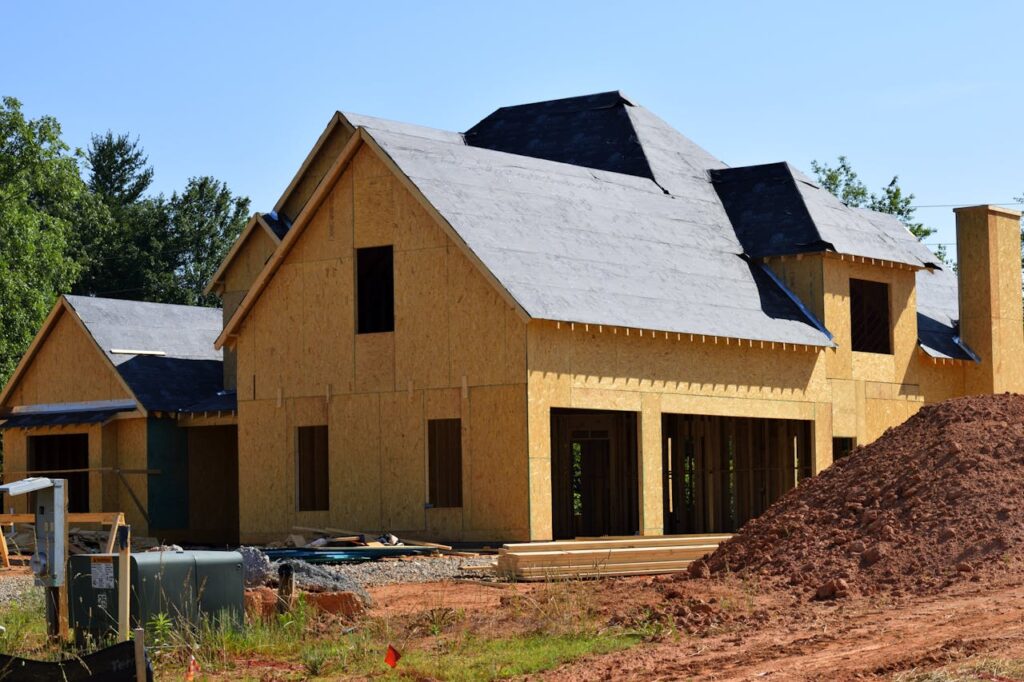
Before embarking on the journey of building your dream home, it’s crucial to consider the materials you plan to use. The best building materials for building a house include lumber, concrete, steel, stone, and brick. Your final choice will depend on your budget, climate, and aesthetic preferences.
Among the numerous decisions you’ll make while building a house, selecting the right materials is one of the most challenging. Strength, durability, aesthetics, and sustainability are all vital factors. The materials you choose will significantly impact the longevity and quality of your home.
Building a house requires meticulous planning and knowledge of the best materials. Here’s a closer look at the top five materials commonly used in residential construction:
Lumber is a versatile and widely used material in home construction. It is cost-effective, easy to source, and offers natural insulation properties. Common uses for lumber include framing, wall sheathing, roof trusses, flooring, cabinets, and siding.
Pros of using lumber:
Cons of using lumber:
Concrete is known for its strength, durability, and versatility. It’s commonly used for foundations and slabs but also works well for exterior and interior walls, beams, columns, stairs, and retaining walls.
Pros of using concrete:
Cons of using concrete:
Steel is prized for its ability to carry heavy loads over wide spaces, making it ideal for homes with open floor plans. It’s also used in roofing trusses, flooring systems, and reinforced concrete foundations.
Pros of using steel:
Cons of using steel:
Stone has been a popular building material for centuries due to its durability and natural beauty. It’s an excellent choice for foundations and is also used for exterior walls, retaining walls, outdoor steps, walkways, natural flooring, countertops, accent walls, and fireplaces.
Pros of using stone:
Cons of using stone:
Brick is a timeless material known for its durability and unique aesthetic. It’s highly customizable and can be used for exterior walls, accent walls, fireplaces, chimneys, archways, retaining walls, and pathways.
Pros of using brick:
Cons of using brick:
Building homes can deplete natural resources. Thankfully, sustainable building materials are available, including recycled steel, straw bales, and more. Here are some top eco-friendly materials:
Recycled steel is made from discarded steel items and can be transformed into new beams, columns, rebar, and other steel fixtures.
Recycled lumber, also known as reclaimed or salvaged wood, is repurposed from abandoned structures for use in new construction projects.
Laminated wood is created by bonding layers of wood boards and veneer, maximizing their structural integrity for framing and other structural applications.
Bamboo is a sustainable alternative to lumber, known for its strength-to-weight ratio and fast renewability. It can be used for structural elements and flooring.
Straw bales are an eco-friendly insulation material that provides thermal barriers, reducing heat transfer and promoting energy efficiency.
Low-E windows have a thin film that reduces heat transfer while allowing natural light to pass through, improving energy efficiency.
Precast concrete elements, such as walls and beams, are cast in a controlled environment, reducing construction waste and promoting efficiency.
When building a house, consider factors like budget, climate, durability, installation, sustainability, and aesthetics.
Obtain quotes from multiple suppliers during the pre-construction phase to ensure you stay within budget.
Choose materials suitable for your climate. For example, avoid natural hardwood floors in high-humidity areas.
Select materials known for their longevity and low maintenance to ensure your home lasts multiple lifetimes.
Some materials require specialized teams, which can extend your timeline and increase costs. Plan accordingly.
If sustainability is important, be prepared for potentially higher costs and sourcing challenges.
Consider your design preferences and ensure the Building Materials you choose contribute to your home’s overall look and feel.
Steel is renowned for its strength and resilience, making it ideal for structural components. With proper maintenance, steel structures can last a long time.
Affordable options include concrete blocks, lumber, structural insulated panels, vinyl siding, and asphalt shingles. Consider availability in your area to avoid high shipping costs.
Douglas fir, southern yellow pine, and oak are strong wood species suitable for building a house. Choose wood that is readily available near you.
After selecting the best materials to build your house, you’ll also need reliable construction equipment. For convenient equipment rentals, check out BigRentz. With just a few clicks, you can reserve the necessary equipment and have it delivered to your job site.
Building your dream home is an exciting journey, and choosing the right Building Materials is crucial for ensuring its longevity, durability, and aesthetic appeal. By considering your budget, climate, and design preferences, you can make informed decisions that will result in a home you’ll love for years to come.